
By Dr. Jade Bourke
When you experience inconvenient symptoms such as digestive issues, acne, anxiety, autoimmune responses, hormonal imbalances, or chronic fatigue, it can feel like your body is working against you. But in reality, these symptoms aren’t random malfunctions; they’re your body’s intelligent adaptations to stress, imbalances, and environmental conditions. The body’s main goal is survival, and every symptom is a sign that it’s trying to restore balance with the conditions it has been given.
Here’s how common symptoms are actually adaptive mechanisms at work:
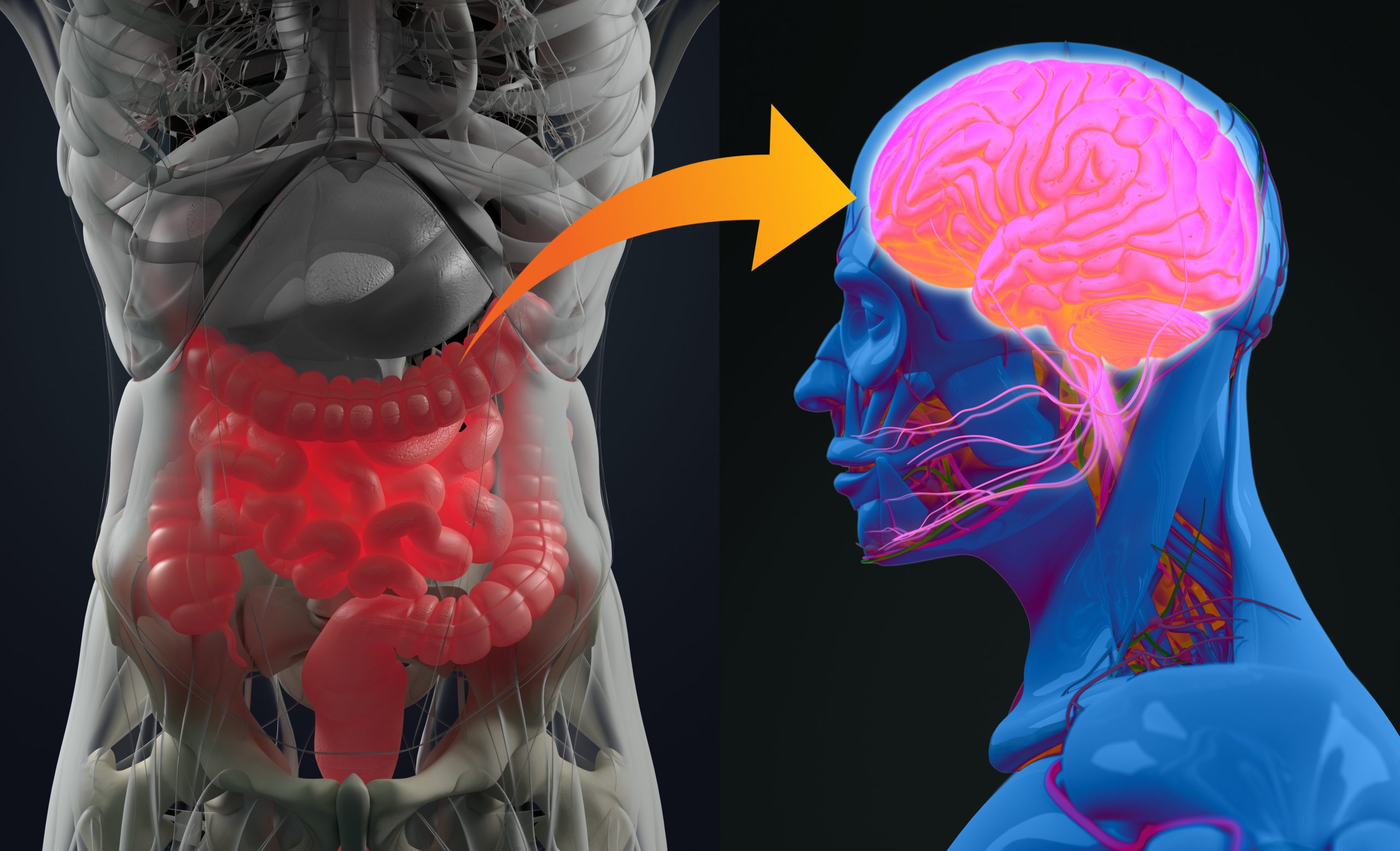
Digestive Issues → A Survival Response
- Your body prioritises “fight or flight” over “rest and digest” when under stress.
- Gut inflammation, bloating, and discomfort can occur when the gut’s immune system is responding to imbalances in the microbiome, stressors (inflammatory foods/ toxicity), or infections.
- Eating in a state of fight or flight disrupts essential digestive processes, such as the release of hydrochloric acid, leaving the gut more susceptible to parasitic infections and microbial imbalances.
- Healing involves nervous system regulation, microbiome support, and removing stressors (i.e inflammatory foods/ toxicity) that are contributing to gut inflammation.
Acne → A Detoxification Response
- Acne isn’t just a skin issue; it’s your body trying to manage toxins, inflammation, or hormonal imbalance.
- When the liver and gut are overwhelmed (from diet, stress, or environmental exposures), the skin becomes an “emergency exit” to eliminate toxins.
- Instead of just treating the surface, you need to support your nervous system, liver, gut, and detox pathways.
Anxiety → A Hypervigilance Response
- Anxiety isn’t a malfunction; your brain is designed to detect threats, prepare for action, and ensure you are safe.
- In life-threatening situations, this response is crucial – it sharpens focus, increases heart rate, and directs energy to the muscles, allowing you to react quickly. However, this survival mechanism often becomes overactive or fails to switch off once the immediate threat has passed.
- If the nervous system remains in high alert mode for too long, the body gets stuck in a chronic state of hypervigilance, making anxiety a persistent state rather than a temporary response.
- For some people, anxiety feels like an unchangeable part of who they are – as if they’re simply “an anxious person.” Without any clear trigger, it can be easy to assume it’s just who they are. But anxiety never appears out of nowhere. It can be inherited through generations, begin in utero, or originate from early experiences such as a traumatic birth. This is where Neuro-emotional Technique becomes such a powerful tool. It helps uncover the original event that created this underlying sense of unsafety, allowing the body and mind to process the anxiety and let it go.
- Nervous system regulation is fundamental to managing anxiety – not by eliminating the stress response altogether, but by teaching the body to recognize safety, allowing it to return to a state of balance and build resilience to future stressors.
Autoimmunity → A Misdirected Survival Response
- Autoimmune conditions happen when the immune system mistakenly attacks the body’s own tissues, but this isn’t random – it’s an adaptive response to chronic stressors.
- Molecular Mimicry: Exposure to toxins, infections, or food proteins (like gluten) can make the immune system attack similar looking body tissues.
- Chronic Inflammation: If psychological stress, poor diet, or gut infections persist, the immune system stays in “high alert” mode, leading to autoimmunity.
- Instead of just suppressing symptoms, it is important to identify and remove the root triggers and understand why your system is in a state of high alert.
High Cholesterol → A Healing Response
- Cholesterol isn’t the villain it’s been previously made out to be – it’s essential for hormone production, cell repair, brain function, and immune support.
- Elevated cholesterol often signals the body’s attempt to repair damage, support hormone production, or counteract stress.
- Rather than suppressing cholesterol, investigate underlying causes like chronic inflammation, insulin resistance, metabolic dysfunction, and stress.
- Did you know that LDL or “bad cholesterol” is essential for making Vitamin D?
Menstrual Irregularities/ Sex Hormonal Imbalance → A Survival Adaptation
- Irregular, painful, or missing periods are not just hormonal imbalances – they are the body’s adaptive response to stress, nutrient deficiencies, or an overburdened gut and liver.
- Survival Over Reproduction: The body prioritises survival over reproduction. When it senses high stress, inadequate nutrition, or insufficient energy intake, it shifts focus away from ovulation to conserve vital resources.
- Estrogen Dominance: If stress is high or the gut and liver are overburdened with toxicity, your body may have an issue with estrogen metabolism. This can cause estrogen to recirculate disrupting sex hormone balance in both males and females.
- Blue Light Toxicity: Our circadian rhythm controls hormone secretion. Melatonin is the sleep hormone that also protects and balances sex hormone production. Chronic exposure to artificial blue light, especially at night, disrupts melatonin production, which throws off the body’s circadian rhythm and impacts the secretion of sex hormones like testosterone, estrogen, and progesterone. This leads to poor sleep, increased cortisol, and imbalanced hormones.
- Non-native EMFs: Non-native EMFs from things like phones, Wi-Fi, and Bluetooth can interfere with the body’s natural electrical signalling. Hormonal disruption occurs when this dysregulation is at the level of the hypothalamus and pituitary gland which are the control centres of hormones in the brain. This is compounded by direct stress placed on reproductive tissues through the close proximity of strong EMF devices like phones and laptops on your lap or in your pocket.
- Balancing hormones requires a holistic approach – one that addresses the cause of the imbalance whilst also giving the body the nourishment and support it needs to produce the hormones it is lacking.
Fatigue & Burnout → Energy Conservation Mode
- Chronic fatigue is not just “laziness” – it’s the body’s intentional way of forcing rest and repair when resources are depleted.
- Rather than relying on stimulants (e.g. caffeine) or depleting your reserves by running on “credit card energy” – where you borrow from your health to keep going – focus on activities that replenish your energy.
- Mitochondrial Fatigue: Mitochondria can become dysfunctional due to psychological stress, EMFs, blue light toxicity, toxins, infections, and nutrient deficiencies – leading to chronic fatigue by impairing the body’s ability to produce energy at a cellular level. This is your body’s form of ‘low battery mode’.
- Prioritise restorative practices like quality sleep, creative downtime, infrared saunas, time in nature, time in the sun, connection with loved ones or an appointment with a practitioner who focuses on nervous system regulation and mitochondrial support.
Once you understand that every symptom is an intelligent response to an internal or external imbalance, it becomes clear that simply suppressing these signals without addressing their root cause is counterproductive. So rather than waging war on our own biology, we must shift the approach to supporting the body’s natural intelligence. Instead of asking, “How do I stop this symptom?”, we should ask:
- What is my body adapting to?
- What environmental, emotional, or nutritional factors are contributing to this imbalance?
- What does my body need to return to balance and a sense of safety?
Healing is about removing stressors, replenishing deficiencies, and creating conditions where the body can do what it was designed to do – thrive.
“Nature needs no help … just no interference” – BJ. Palmer (Founder of Chiropractic)